







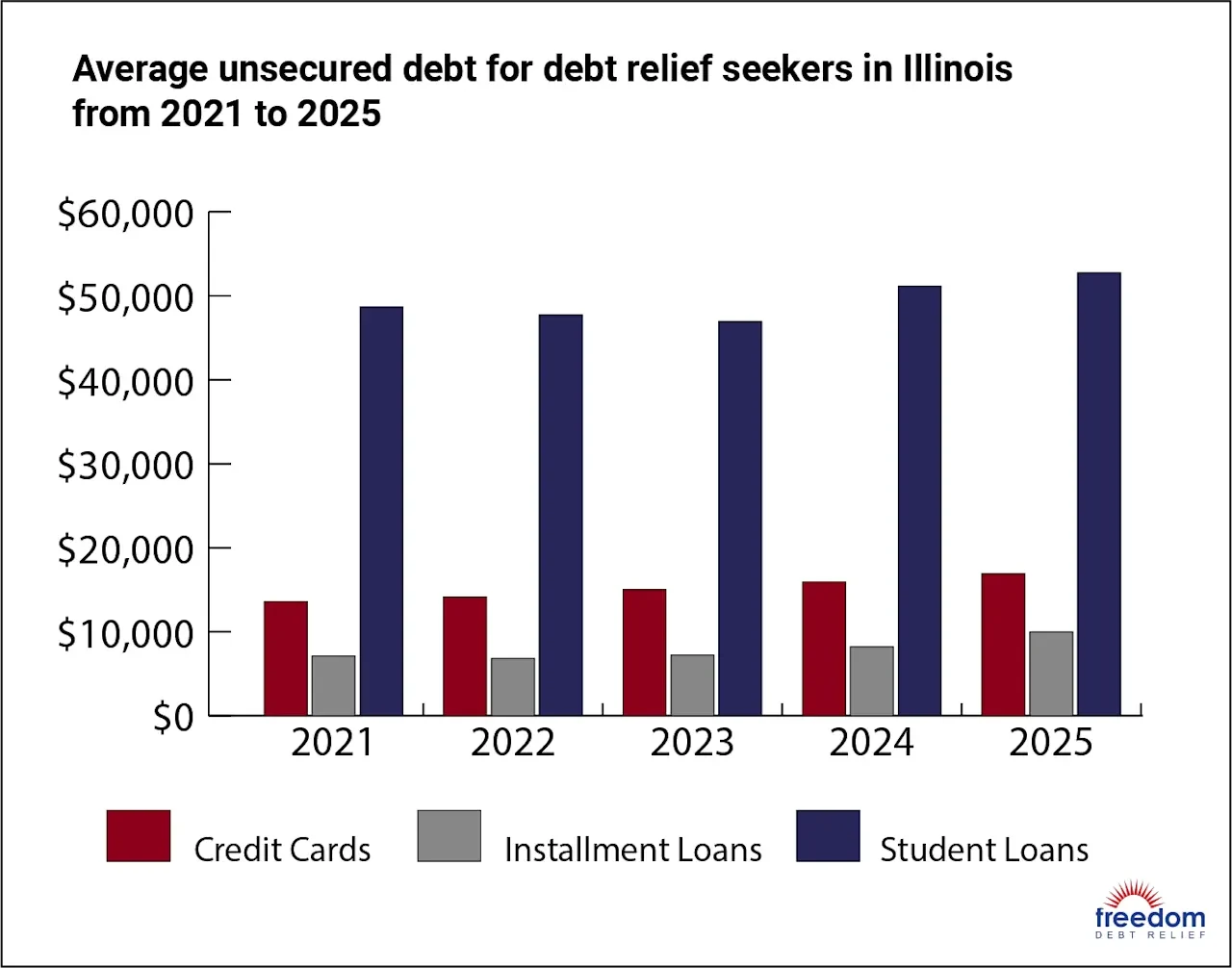
Can a single loan actually fix a mountain of credit card debt, or is it just moving the mess from one pocket to another? This is the question that keeps people in Chicago, Springfield, and everywhere in between awake at three in the morning. We see it all the time when talking to folks trying to make sense of their finances.
The idea of debt consolidation is simple on paper. You take out one big loan to pay off several smaller, high-interest debts. Instead of chasing five different due dates every month, you only have to chase one. It sounds like a dream, but the reality is usually more complicated than a simple math equation. It depends on your credit, your income, and, most importantly, your discipline.
If you’re sitting there with a stack of statements from three different banks, you’re likely looking for a way out. You want to know if the math works in your favor. Sometimes it does. Other times, it just delays the inevitable if your spending habits haven’t changed. It is a tool, not a magic wand.
The Mechanics of Folding Debt into One Payment
When you look into consolidation, you’re essentially trading high-interest, unsecured debt for a new type of debt. Most people use a personal loan to do this. You walk into a local credit union or look online, apply for a fixed-term loan, and use that cash to clear the decks. If you manage this correctly, you might find that the interest rate on the new loan is lower than the average of your old ones.
But there’s a catch. If the new loan has a much longer term, you might end up paying more in total interest over time, even if the monthly payment looks smaller. You have to look at the total cost of the debt, not just the monthly bill. It’s easy to get blinded by a lower monthly requirement and ignore the long-term math.
Consider a person we spoke with recently, let’s call him Mike from Naperville. Mike had three credit cards, each with a different interest rate and a different due date. He was juggling them every month, feeling like he was treading water. He applied for debt consolidation loans Illinois residents often look for to simplify their lives. For Mike, it worked because his new loan rate was significantly lower than his credit cards, but he had to stop using those cards immediately to see the benefit.
If you keep using the cards after you’ve paid them off with a loan, you’re in a worse position than when you started. You now have a loan plus new credit card balances. That is the fastest way to financial ruin. The loan handles the past, but it does nothing to regulate your future behavior.
- Fixed Interest Rates: Most consolidation loans offer a set rate, which makes budgeting easier than variable card rates.
- Term Length: You can choose how long you want to take to pay it back, though longer terms cost more in the long run.
- Credit Score Impact: Taking out a new loan causes a hard inquiry, but paying off multiple cards can actually help your score by lowering your utilization.
Comparing the Different Paths Out of the Red
Not every way to consolidate debt is a loan. Some people look at debt management plans through non-profit agencies. These are different. In a management plan, an agency works with your creditors to lower your interest rates, but you still owe the money. You aren’t taking out new credit; you are renegotiating old debt.
Then there is debt settlement, which is much riskier. This involves stopping payments to your creditors so you can eventually offer them a lump sum that is less than what you owe. It sounds tempting, but it can wreck your credit score for years and often leads to aggressive collection calls and legal action. It’s a scorched-earth policy.
We often see people get confused between these options. Here is how they generally stack up when you look at the trade-offs:
| Method | Impact on Credit | Primary Benefit | Primary Risk |
| Consolidation Loan | Generally Positive | Lower Interest/One Payment | New Debt Risk |
| Management Plan | Neutral/Slightly Negative | Lower Interest Rates | Strict Budgeting Required |
| Debt Settlement | Significant Negative | Reduced Total Debt | Legal/Credit Damage |
But before you pick a path, you have to be honest about why the debt exists. If it was a one-time medical emergency or an unexpected car repair, a loan is a great tool to clean up the mess. If the debt comes from a lifestyle that consistently exceeds your paycheck, a loan is just a temporary band-aid. It won’t fix the underlying leak in your bucket.
The Illinois Context and Local Realities
Living in Illinois, you have a variety of options. We have massive national banks with branches in every suburb, but local credit unions often play a much bigger role in the local economy. These smaller institutions often have a more “human” approach to lending. They might look at your history in the community rather than just a computer-generated score.
Local credit unions often offer more personalized service when you’re trying to navigate a consolidation loan. They might be more willing to work with someone who has a steady job in the state but a temporarily bruised credit score. This can be a lifesaver if you’re just coming off a rough patch and need to get your head above water.
You also have to be aware of the predatory lenders that hang around the edges of the industry. You’ll see advertisements for “fast cash” or “no credit check” loans. These are often traps. They might offer to consolidate your debt, but the interest rates are so astronomical that you end up in a cycle of debt that’s impossible to break. If a lender makes it sound too easy, it probably is.
Always check the fine print on any contract you sign in the state. Illinois has specific consumer protection laws, but you still need to be your own best advocate. If a lender cannot clearly explain how much you will pay in total interest over the life of the loan, walk away. A legitimate lender will have no problem showing you the math.
Psychological Traps and the Road to Stability
There is a psychological phenomenon that happens after someone successfully consolidates their debt. They feel a sudden sense of relief. The weight is gone. They see a zero balance on their credit card statements and they feel rich. This feeling is dangerous. It’s the “relief trap.”
That relief often leads to a sense of “I’ve handled it,” which leads to more spending. We have seen people consolidate a large amount of debt into a low-interest loan, only to run up their credit cards again within six months. Now, they are carrying the consolidation loan and the new credit card debt. This is how people end up in bankruptcy.
To make consolidation work, you have to change your relationship with credit. Many people find they need to physically hide their credit cards or remove them from digital wallets like Apple Pay. You have to make it harder to spend than it is to save. It is a mental shift as much as a financial one.
Building a budget is the final, unglamorous step. A loan fixes the math, but a budget fixes the behavior. You need to know exactly where every dollar is going before you start making those new payments. If you don’t have a plan for your income, the loan is just a countdown to the next crisis. It’s about taking control, not just moving numbers around on a spreadsheet.
Consolidation is a tool, not a cure.
Good to know
How do debt consolidation loans work in Illinois?
A debt consolidation loan is a single new loan used to pay off multiple high-interest debts, leaving you with one monthly payment and potentially a lower interest rate.
Are there specific laws protecting borrowers in Illinois?
Yes, Illinois has strict consumer protection laws and usury limits that regulate how much interest lenders can charge and how they can collect debt.
What are the requirements for getting a debt consolidation loan in Illinois?
Lenders typically require proof of residency in Illinois, a stable income, a decent credit score, and a debt-to-income ratio within their specific guidelines.
Can I consolidate debt if I have bad credit in Illinois?
While possible, borrowers with poor credit may need to look into secured consolidation loans or specialized lenders that offer higher interest rates.
What is the difference between debt consolidation and debt settlement in Illinois?
Debt consolidation involves paying off your full balances through a new loan, whereas debt settlement involves negotiating with creditors to pay less than what you originally owed.